Silkie Chicken Breed Overview and Facts: The Ultimate Guide for Texas Chicken Keepers

Silkie chickens are one of the most recognizable and beloved chicken breeds in the world, and interest in Silkies continues to grow rapidly across Texas. From Dallas–Fort Worth and Houston to Austin, San Antonio, East Texas, and rural Hill Country homesteads, backyard chicken keepers are searching for information about Silkie chickens, what makes them unique, and whether they are the right breed for Texas climates.
Known for their fluffy, fur-like feathers, gentle temperament, and unusual black skin and bones, Silkie chickens stand apart from nearly every other poultry breed. Whether you are brand new to backyard chickens or an experienced Texas poultry keeper looking to add something special to your flock, this complete Silkie chicken breed overview covers everything you need to know.
In this guide, we will explore Silkie chicken history, physical traits, genetics, temperament, egg laying ability, and why Silkies have become one of the most searched chicken breeds in Texas.
What Is a Silkie Chicken?
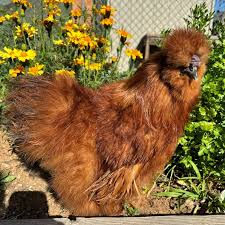
The Silkie chicken is a bantam-style poultry breed best known for its soft, fluffy plumage that resembles fur rather than traditional feathers. Unlike most chickens, Silkies lack the barbicels that lock feathers together, giving them their famous cloud-like appearance.
Silkies are considered an ornamental and utility breed, prized not for high egg production or meat yield, but for companionship, broodiness, exhibition, and their calm, friendly nature.
Key identifiers of Silkie chickens include:
Fluffy, silk-like feathers
Black or dark blue skin and bones
Blue earlobes
Five toes instead of four
Docile and friendly temperament
These traits make Silkies instantly recognizable in Texas backyards and chicken shows alike.
History and Origin of Silkie Chickens
Silkie chickens have a long and fascinating history that stretches back over 1,000 years. Most poultry historians agree that Silkies originated in ancient China, where they were known for their unusual appearance and believed medicinal properties.
Early written accounts from Marco Polo in the 13th century described chickens with “hair like cats,” likely referencing Silkies. From Asia, Silkies traveled along trade routes into Europe and eventually to North America.
By the 1800s, Silkie chickens had gained popularity in England and the United States as novelty birds and exhibition poultry. Today, they are recognized by the American Poultry Association (APA) and are one of the most popular ornamental chicken breeds in the U.S., including Texas.
Why Silkie Chickens Are Popular in Texas
Silkies have become especially popular among Texas backyard chicken keepers for several reasons:
Excellent family and pet chickens
Calm temperament suited for urban and suburban backyards
Adaptability to confinement
Strong broody instincts for hatching eggs
Unique appearance that attracts attention
Texas chicken owners often keep Silkies alongside production breeds like Rhode Island Reds, Plymouth Rocks, or Leghorns as gentle companions or dedicated brood hens.
While Silkies are not heat-hardy compared to Mediterranean breeds, many Texas keepers successfully raise them with proper shade, ventilation, and summer care.

Physical Appearance of Silkie Chickens
Silkie chickens are visually unlike any other breed. Their appearance is often the first reason people search for them online.
Feather Structure
Silkies do not have normal feathers. Instead, their plumage lacks hooklets, causing the feathers to remain loose and fluffy. This gives Silkies a round, puffball appearance that looks almost like fur.
Because of this unique feather structure:
Silkies are not waterproof
They should be protected from rain and wet conditions
They are poor flyers
Skin, Bones, and Meat Color
One of the most fascinating Silkie chicken facts is their black skin and bones. This is caused by a genetic condition called fibromelanosis, which leads to excessive pigmentation throughout the body.
This trait is rare in chickens and is one reason Silkies are considered exotic. Despite their appearance, Silkie meat is safe to eat, though in Texas they are rarely raised for meat.
Number of Toes
Most chickens have four toes. Silkies have five toes, another unique breed trait shared with only a few chicken breeds worldwide.
Comb and Earlobes
Silkies have:
A walnut-shaped comb
Blue or turquoise earlobes
Dark facial skin
These features further distinguish them from traditional backyard breeds.
Silkie Chicken Colors
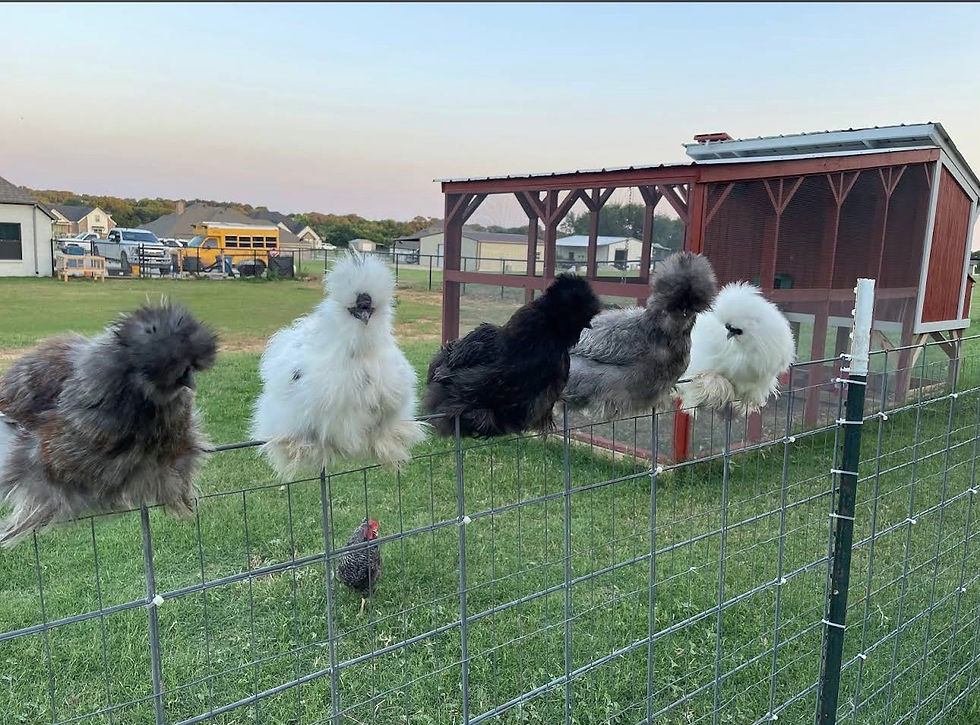
Silkie chickens come in a wide variety of recognized colors, making them popular among breeders and exhibition enthusiasts in Texas.
Common Silkie colors include:
White
Black
Blue
Buff
Partridge
Splash
Gray
Paint
Color does not affect temperament or egg laying ability, but certain colors may be more desirable for show or breeding programs.

Size and Weight of Silkie Chickens
Silkies are considered a bantam breed, though there are also standard Silkies.
Average weight:
Silkie hen: 2 to 2.5 pounds
Silkie rooster: 2.5 to 3 pounds
Their small size makes them ideal for:
Small backyards
Urban chicken ordinances
Families with children
Apartment-style chicken setups (where allowed)
Silkie Chicken Temperament and Personality
Silkies are famous for their gentle, calm, and friendly temperament. They are widely regarded as one of the best chicken breeds for beginners and families in Texas.
Common personality traits:
Docile and non-aggressive
Easy to handle
Often enjoy human interaction
Tolerant of confinement
Rarely bully other chickens
Because of their calm nature and poor eyesight (due to crest feathers), Silkies should not be housed with aggressive or dominant chicken breeds. Texas chicken keepers often keep Silkies in separate flocks or with other gentle breeds.
Silkie Chickens as Pets
Many Texas families keep Silkies primarily as pet chickens rather than egg layers. Silkies are frequently described as “lap chickens” due to their relaxed nature.
They are excellent choices for:
Families with children
Backyard chicken therapy animals
Educational homesteads
Chicken hobbyists
Their docility and quiet behavior make them ideal for suburban and city chicken laws.

Egg Laying Ability of Silkie Chickens
Silkies are not high egg producers, but they do lay eggs consistently.
Typical egg production:
2 to 4 eggs per week
Approximately 100 to 120 eggs per year
Egg characteristics:
Small to medium size
Cream or lightly tinted color
Texas chicken keepers often choose Silkies for companionship and broodiness rather than egg quantity. However, many owners find Silkie eggs to be rich and flavorful.
Broodiness and Mothering Instincts
Silkie hens are legendary for their broody behavior. Few breeds rival Silkies when it comes to hatching and raising chicks.
Silkies are often used to:
Hatch chicken eggs from other breeds
Raise ducklings or turkey poults
Serve as natural incubators
In Texas homesteading circles, Silkies are highly valued for this reason alone.
Unique Genetics of Silkie Chickens
Silkies carry several rare genetic traits that make them scientifically interesting:
Fibromelanosis (black skin and bones)
Polydactyly (five toes)
Feather structure mutation
Walnut comb genetics
These traits are stable and consistently passed on when bred correctly, making Silkies fascinating for poultry genetics enthusiasts.
Climate Considerations for Texas
Silkies can thrive in Texas with proper care.
Important considerations:
Provide shade and ventilation in summer
Keep feathers dry during rain
Avoid muddy environments
Offer cool water during extreme heat
While Silkies tolerate cold better than heat, most Texas climates are manageable with thoughtful coop design.
Are Silkie Chickens Right for Texas Backyard Flocks?
Silkie chickens are an excellent choice for many Texas chicken keepers, especially those prioritizing temperament, uniqueness, and breeding over egg production.
They are best suited for:
Backyard flocks
Hobby breeders
Families and children
Broody hen needs
Chicken enthusiasts who want something special
They are not ideal for:
High egg production goals
Free-ranging in predator-heavy areas
Wet, muddy conditions
Final Thoughts: Why Silkies Remain One of the Most Loved Chicken Breeds in Texas
Silkie chickens continue to grow in popularity across Texas because they offer something no other breed does: personality, beauty, and uniqueness all wrapped into one fluffy package. From their ancient history and unusual genetics to their gentle temperament and striking appearance, Silkies capture the hearts of backyard chicken keepers everywhere.
Whether you live in North Texas, Central Texas, East Texas, or South Texas, Silkies can be a rewarding addition to the right flock. With proper care and understanding, they will thrive and bring joy, conversation, and charm to your backyard for years to come.


Comments