What Can Chickens Eat: What Is Safe and What Is Unsafe (Texas Chicken Keeping Guide)
- Ashley Starling
- Dec 21, 2025
- 7 min read

If you’re raising egg laying hens or pullets anywhere in Texas, from Dallas-Fort Worth to the Hill Country, Austin suburbs to San Antonio, and down through Houston and Corpus Christi, one of the most frequent questions you’ll encounter as a backyard chicken keeper is this:
What can chickens eat, and what is unsafe for them? With scorching summers, abundant gardens, and hearty Texan appetites for fresh produce and snacks, it’s vital to know which treats and foods are safe for your flock and which can make them sick. This comprehensive Texas chicken keeping guide breaks down everything you need to know about chicken diets, safe foods, unsafe foods, feeding hacks, and tips specifically for egg producers and growing pullets.
Why Diet Matters for Egg Laying Hens and Pullets
Healthy food equals healthy hens. For backyard chicken keepers across Texas, where warm weather can increase energy needs and environmental stress, feeding your flock the right diet is essential. Egg laying hens need balanced nutrition to produce strong eggs with vibrant yolks and sturdy shells. Pullets — young females not yet laying eggs — require proper nutrients to develop bones, feathers, and reproductive systems. Offer too little nutrition and you’ll see poor growth, eggshell problems, and decreased laying. Offer the wrong foods, especially foods high in salt, sugar, or toxicity, and you may face illness or even fatalities.
Maintaining a balanced diet tailored to Texas climates and seasonal backyard garden produce can make your flock happier, healthier, and more productive. In this guide we’ll cover:
What chickens can eat (safe staples)
Chicken treats and supplements
Texas garden plants that are safe
Foods to avoid at all costs
Seasonal considerations for Texas chicken keeper diets
Feeding schedules and quantities for egg laying hens and pullets
What Chickens Can Eat: The Safe, Nutritious Staples
Chickens are omnivores with hearty appetites. In the wild, they scratch for seeds, greens, grubs, and insects. Provided with the right base diet and occasional forages, chickens will thrive.
Complete Chicken Feed
For most backyard chicken keepers in Texas looking to have reliable egg production and healthy pullet development, the base of your hens’ diet should be a commercial chicken feed appropriate to their age and purpose.
Starter Feed (18-20% protein) — for chicks through 6 weeks
Grower Feed (16-18% protein) — for pullets 6–20 weeks
Layer Feed (16% protein + Calcium) — for laying hens
These feeds are formulated to provide balanced amino acids, vitamins, minerals, and energy. Calcium in layer feeds helps hens produce strong eggshells — crucial for Texas keepers who want to sell or consume fresh eggs.

Scratch Grains and Whole Grains
Scratch is not a complete feed but a tasty supplement made of cracked corn and other grains. Your chickens will enjoy it, but use it as a treat rather than a primary diet. Overfeeding scratch can reduce layer feed intake and nutrient balance.
Safe grains and seeds:
Cracked corn
Wheat
Oats
Barley
Millet
Sunflower seeds (in moderation)
Fresh Greens and Vegetables: Texas Garden Goodies
One of the perks of raising chickens in Texas is access to fresh garden produce. Many common garden plants are safe, nutritious treats.
Safe Greens
Romaine and leaf lettuce
Kale and collards
Mustard greens
Swiss chard
Dandelion greens
Spinach (limited due to calcium binding)
Vegetables from your Texas backyard garden are great for chickens. Most leafy greens help digestion and add micronutrients.
Safe Vegetables
Cucumbers
Zucchini and summer squash
Pumpkins and winter squash
Carrots (shredded or chopped)
Peas
Sweet potatoes (cooked)
These add hydration and fiber. In hot Texas summers, watery veggies like cucumbers and squash help with cooling.
Fruits Chickens Can Eat
Chickens enjoy sweet treats, but moderation is key. Fruits provide vitamins and enrichment.
Safe fruits:
Apples (no seeds)
Berries (strawberries, blueberries, blackberries)
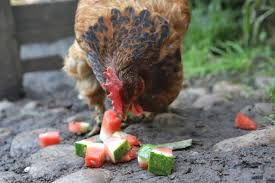
Melons (watermelon, cantaloupe, honeydew)
Grapes (cut to avoid choking)
Pears
Peaches and plums (no pits)
In Texas, fruits like blackberries and peaches may be abundant. Always remove seeds/pits, as these can contain cyanogenic compounds.
Protein Boosters
Protein is especially important for egg producers and growing pullets.
Good protein sources:
Mealworms (live or dried)
Crickets
Cooked eggs (scrambled or boiled)
Yogurt or cottage cheese (plain)
Cooked beans (fully cooked)
Protein supports feather growth, muscle mass, and egg production. In Texas chicken keeping, where birds may molt during seasonal changes, extra protein helps recovery.

Insects, Bugs, and Forage
Free-range chickens love insects. Beetles, crickets, grasshoppers, and ants are all safe. Letting hens forage in your yard is a great way to enrich their diet naturally.
Foods Chickens Should Never Eat
Some foods may seem harmless to us but can be harmful or fatal to chickens. As a responsible Texas backyard chicken keeper, avoiding these foods can save heartache and vet bills.
Toxic Foods for Chickens
1. Raw Potatoes and Green Potato Skins
Raw potato tubers and green peels contain solanine, a toxic compound that can harm chickens. Cooking potatoes significantly reduces solanine, but feeding cooked potatoes in moderation is safest.
2. Avocado
Avocado pits and skins contain persin, a fungicidal toxin harmful to chickens. Avoid all parts of avocado.
3. Chocolate, Caffeine, and Sugary Snacks
Chocolate and caffeinated drinks (coffee, tea, soda) are toxic to chickens. Theobromine and caffeine overstimulate their hearts and nervous systems. Keep sweet treats and processed snacks away from your flock.
4. Raw Beans and Certain Legumes
Raw kidney beans and other legumes contain phytohaemagglutinin, which is toxic. Cooking beans thoroughly makes them safer, but still offer in small amounts.
5. Onions
Onions (and garlic in large quantities) can cause hemolytic anemia in birds. Tiny bits in mixed foods are sometimes okay, but avoid regular feeding.
6. Moldy Food
Anything moldy, fermented, or rotten can produce mycotoxins that damage liver function. Chickens cannot vomit or express discomfort, so keep all feed fresh and clean.
7. Junk Food, Salty Snacks, and Processed Foods
Potato chips, pretzels, crackers, and high-sodium processed foods are bad for hydration and heart health. Texas heat already stresses hydration — extra salt makes it worse.
Seeds and Pits to Avoid
Some fruit seeds and pits contain harmful compounds.
Apple seeds (cyanogenic glycosides)
Cherry pits
Peach and plum pits
Apricot pits
Always remove these before feeding fruit to your flock.
Seasonal Feeding Tips for Texas Chicken Keepers
Texas runs hot in summer and can swing cooler in winter. Diet adjustments help your flock thrive through heat and seasonal shifts.
Summer Diet Tips
Hot weather increases hydration needs. Offer:
Fresh water changed frequently (twice daily in extreme heat)
Frozen treats like watermelon halves or cucumber slices
Extra greens and watery vegetables
Shade during feeding times
Texas summers can reach triple digits, so cool shade and electrolytes help maintain laying rates.
Winter Diet Tips
During cooler months, chickens need extra calories to stay warm.
Increase high-quality layer feed
Add cracked corn in the evening (not a substitute for feed)
Provide scratch grains to increase energy
Ensure water doesn’t freeze (use water heaters if needed)
Even though Texas winters are mild compared to northern states, occasional freezes happen, especially in North Texas.
Feeding Schedules and Portions for Egg Laying Hens and Pullets
Getting portions right keeps your flock trim, happy, and productive.
Pullets (6–20 Weeks)
Pullets are growing rapidly. Offer:
Grower feed free choice
Treats limited to 5% of daily intake
Fresh water always
Pullets do not need high calcium yet; too much can harm kidneys.
Layer Hens (20+ Weeks)
Laying hens have higher calcium demands.
Layer feed free choice
Oyster shell grit available separately
Treats still ~5% of intake
Plenty of fresh water
Egg laying can double their nutritional needs. Proper balance ensures strong eggshells and vibrant yolks.
How to Introduce New Foods Safely
Introducing new foods gradually prevents digestive upsets. For example:
Offer a teaspoon of new veggie or fruit.
Watch your chickens for 24–48 hours.
If all is well, increase portion slightly.
Never feed large quantities of unfamiliar food all at once. Chickens are like tiny digestive ecosystems — unexpected foods can cause diarrhea or worse.
Raw vs Cooked Foods: What’s Better?
Many foods are safer when cooked:
Cooked beans are safer than raw
Cooked sweet potatoes are great treats
Scrambled eggs provide protein without risk
However, many fresh veggies and fruits are excellent raw. Just avoid raw potatoes and any toxic plant parts.
Egg Shell Quality: Nutrition Matters
Poor shell quality is a common concern for Texas egg producers. Thin or brittle shells often mean:
Not enough calcium
Too much phosphorus
Vitamin D deficiency
To improve shells:
Provide oyster shell free choice
Offer crushed eggshells (sterilized by baking)
Add greens rich in calcium
Ensure adequate sunlight (natural Vitamin D)
Strong eggshells mean fewer cracked eggs and more happy customers or family breakfasts.
Backyard Foraging: Good or Bad
Letting chickens forage in your yard is natural and enriching. Insects, grass, and weeds boost variety in their diet. Still, watch for pesticides and toxic plants.
In Texas yards:
Keep chickens away from nightshade plants (toxic)
Monitor areas treated with chemicals
Allow access to shady grass and bug-rich areas
Free-range time encourages exercise, lowers feed costs, and stimulates natural behaviors.
Safe Kitchen Scraps for Chickens
Chickens love kitchen leftovers — when they’re safe.
Safe scraps:
Cooked rice
Pasta
Bread (in small amounts)
Vegetable peels (safe varieties)
Fruit scraps (seed/pit removed)
Remember that kitchen scraps are treats. Too many scraps reduce their intake of balanced feed.
Unsafe Kitchen Scraps
Avoid:
Greasy foods
Raw meat scraps
Rotted leftovers
Anything moldy
If you wouldn’t eat it yourself, don’t feed it to chickens.
Frequently Asked Questions (Texas Chicken Keeping)
Can chickens eat corn on the cob?
Yes! Corn is safe and loved by chickens. Feed in moderation.
Are tomatoes safe?
The fruit is safe, but avoid stems and leaves, which contain solanine.
Can chickens have dairy?
Small amounts of plain yogurt or cottage cheese are fine; avoid large amounts of milk.
Is bread okay?
Bread is safe in small quantities but offers little nutrition.
Can chickens eat insects from the yard?
Yes! Insects are natural and excellent protein.
Final Thoughts for Texas Chicken Keepers
Raising egg laying hens and pullets in Texas brings sunny skies, backyard gardens, and egg basket joys. A nutritious diet filled with the right balance of commercial feed, fresh greens, garden produce, and safe treats will keep your flock productive and healthy. Avoid toxic foods, keep water fresh and cool in heat, and offer treats in moderation.
Your hens will reward you with rich, flavorful eggs and happy clucks. Whether you’re in North Texas, Central Texas, South Texas, or East Texas, understanding what chickens can eat and what is unsafe will make you a savvy and responsible chicken keeper in the Lone Star State.


Comments